Designing for Uncertainty: The New 2026 AI Product Skill
An executive briefing deck on confidence calibration, graceful fallbacks, traceable evidence, and user control in AI product design.
Author / Lead
2026-05-20

Overview
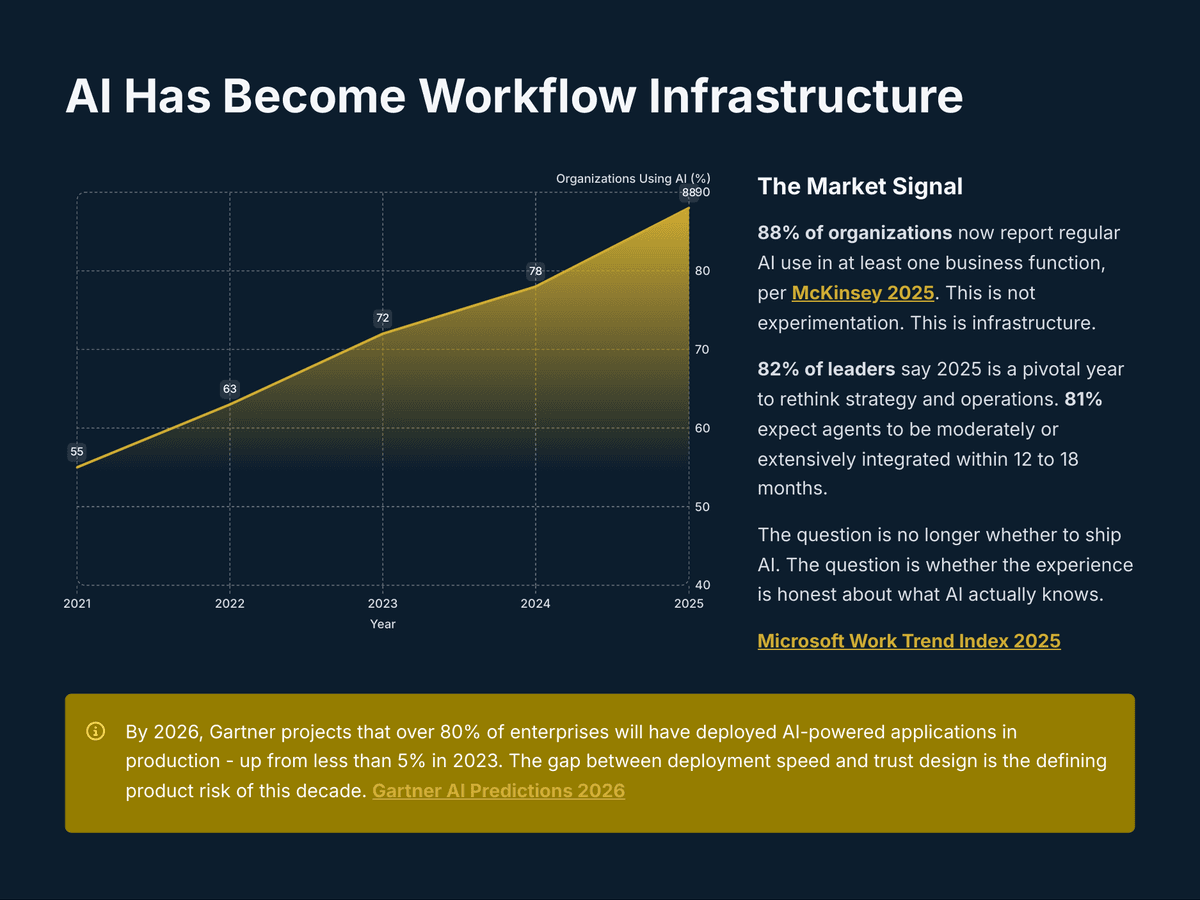
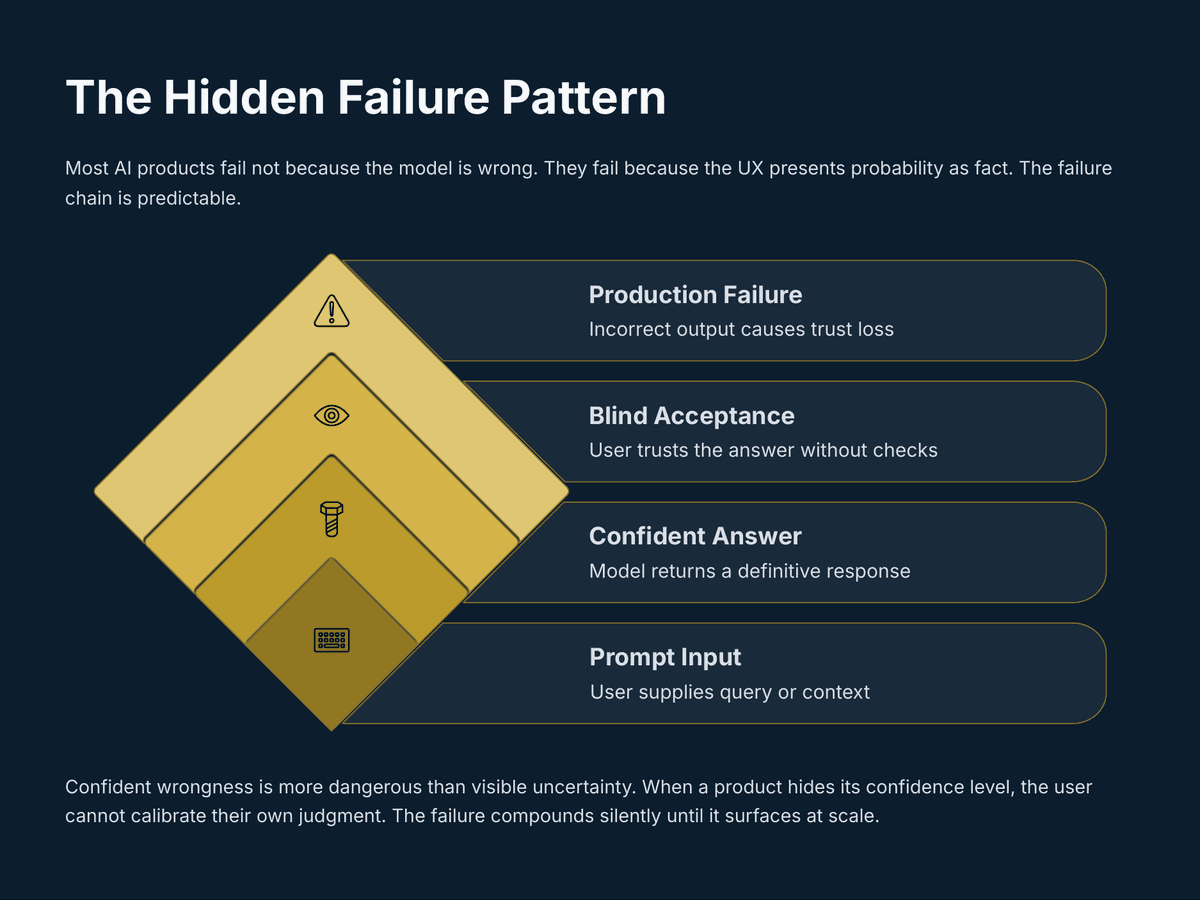
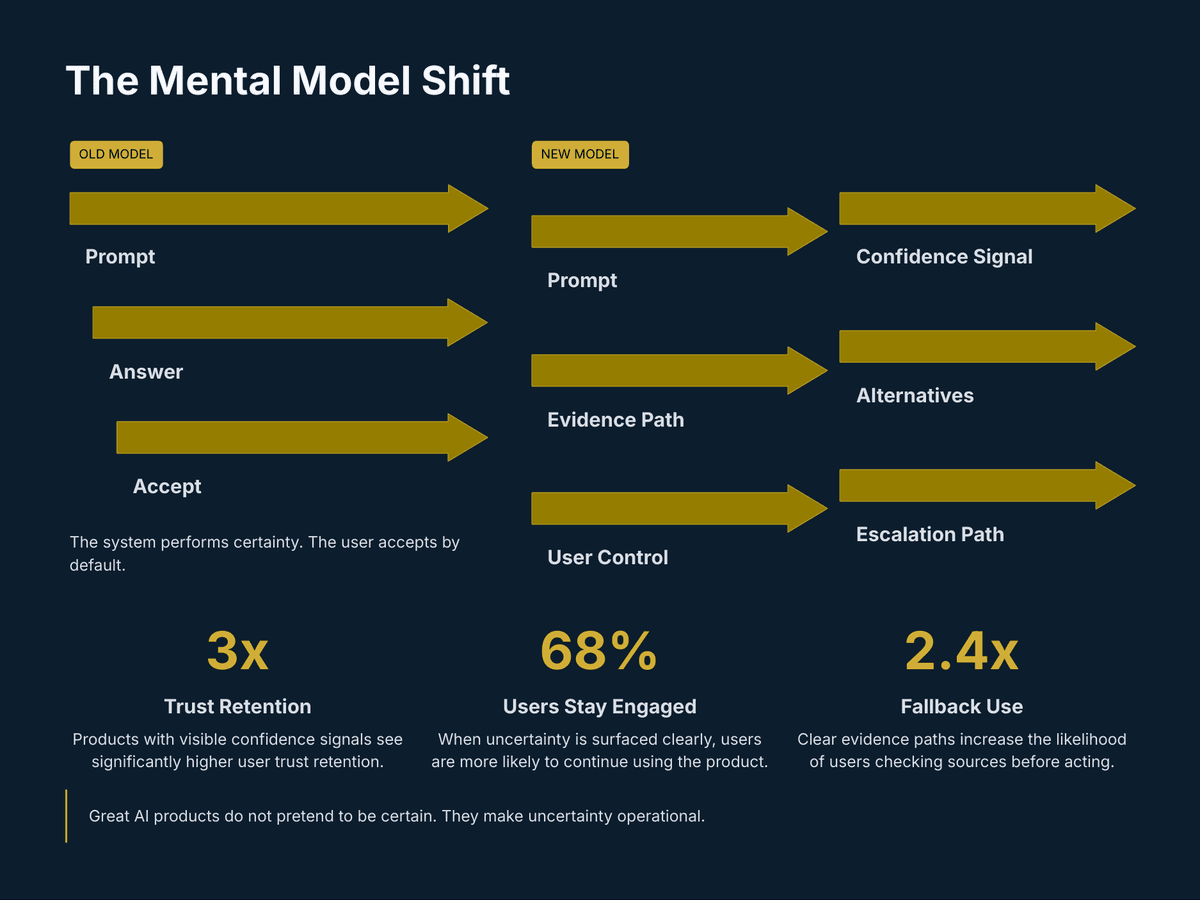
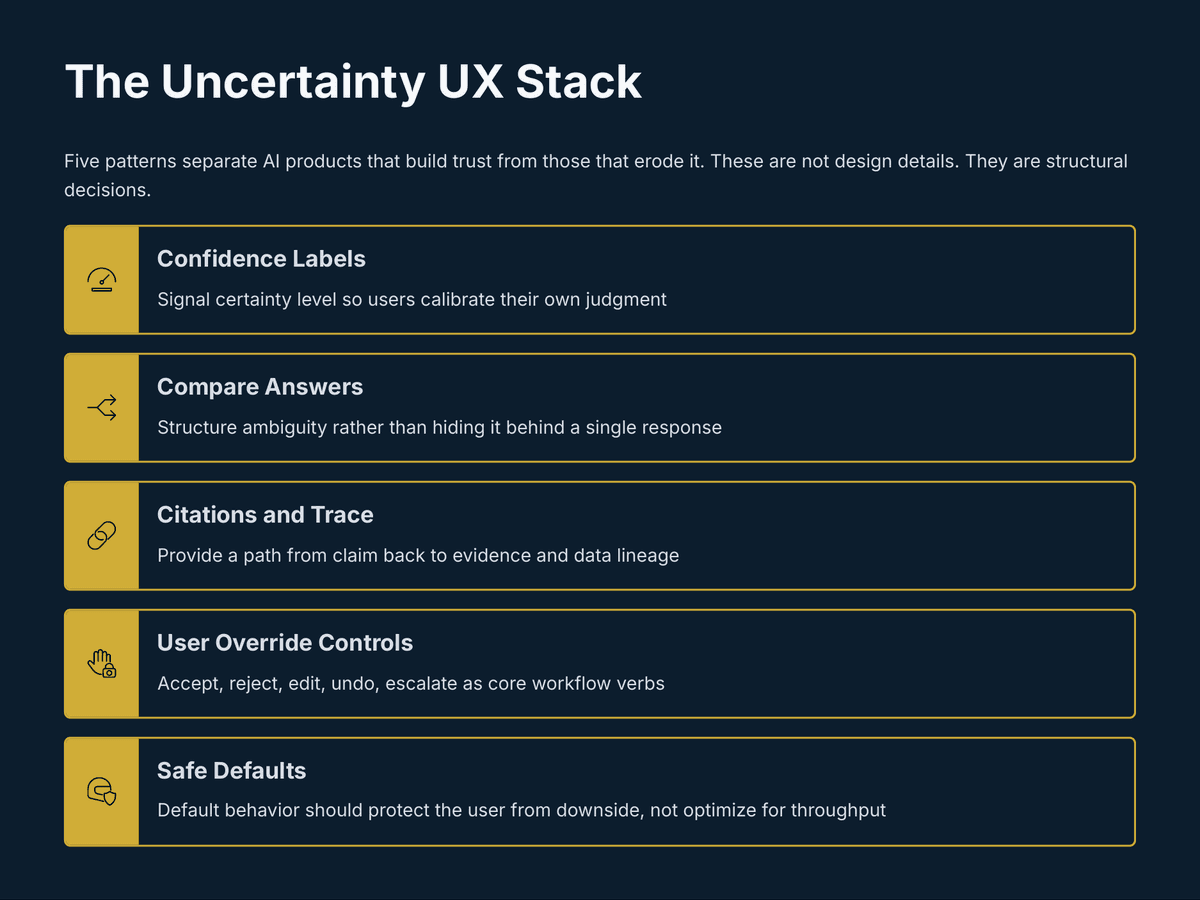
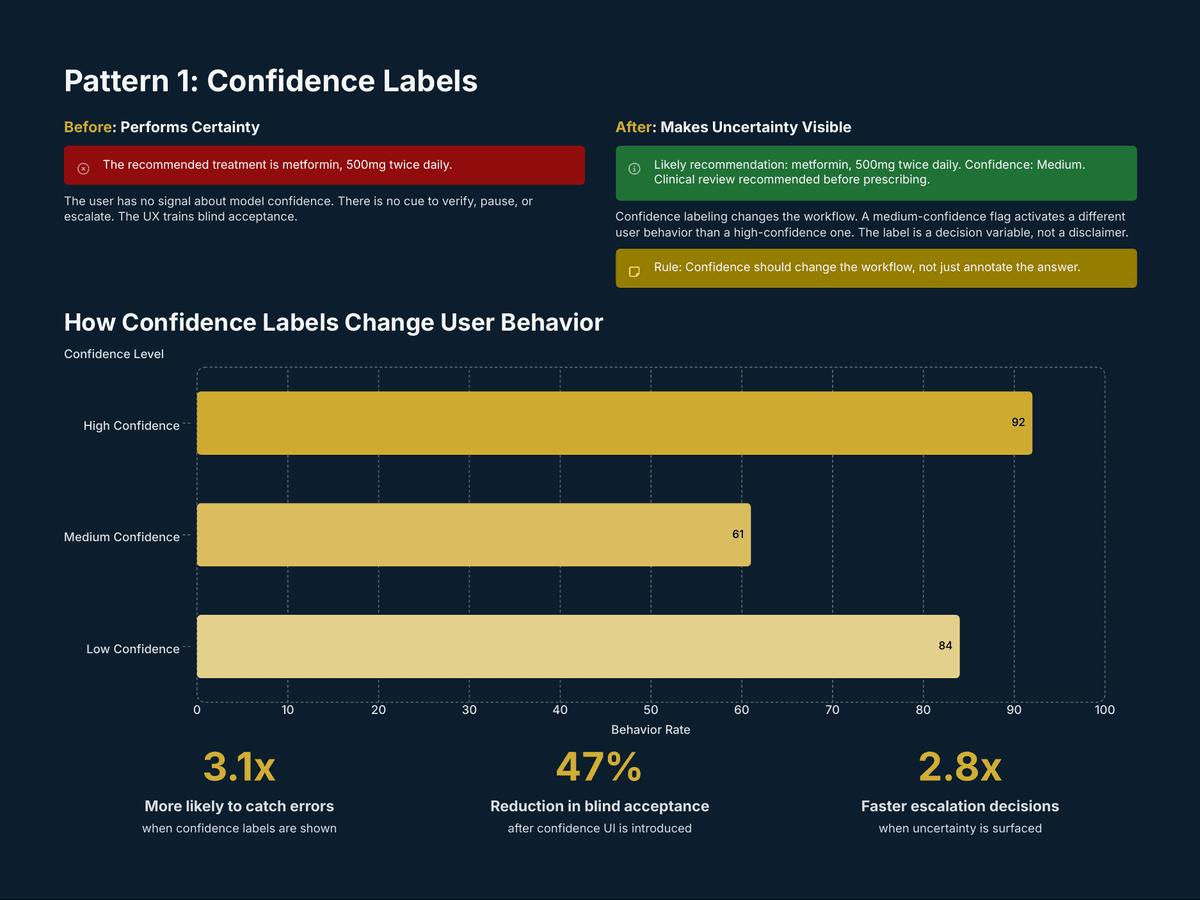
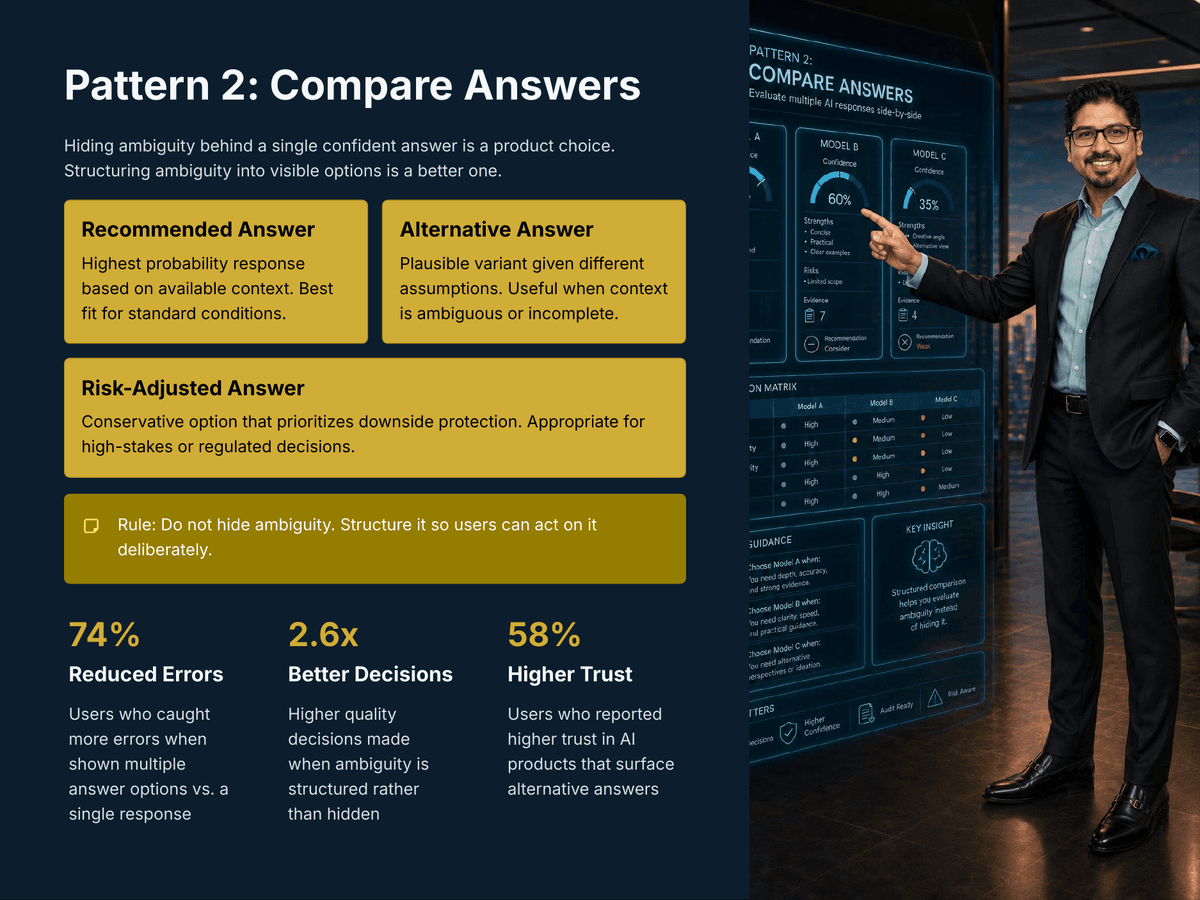
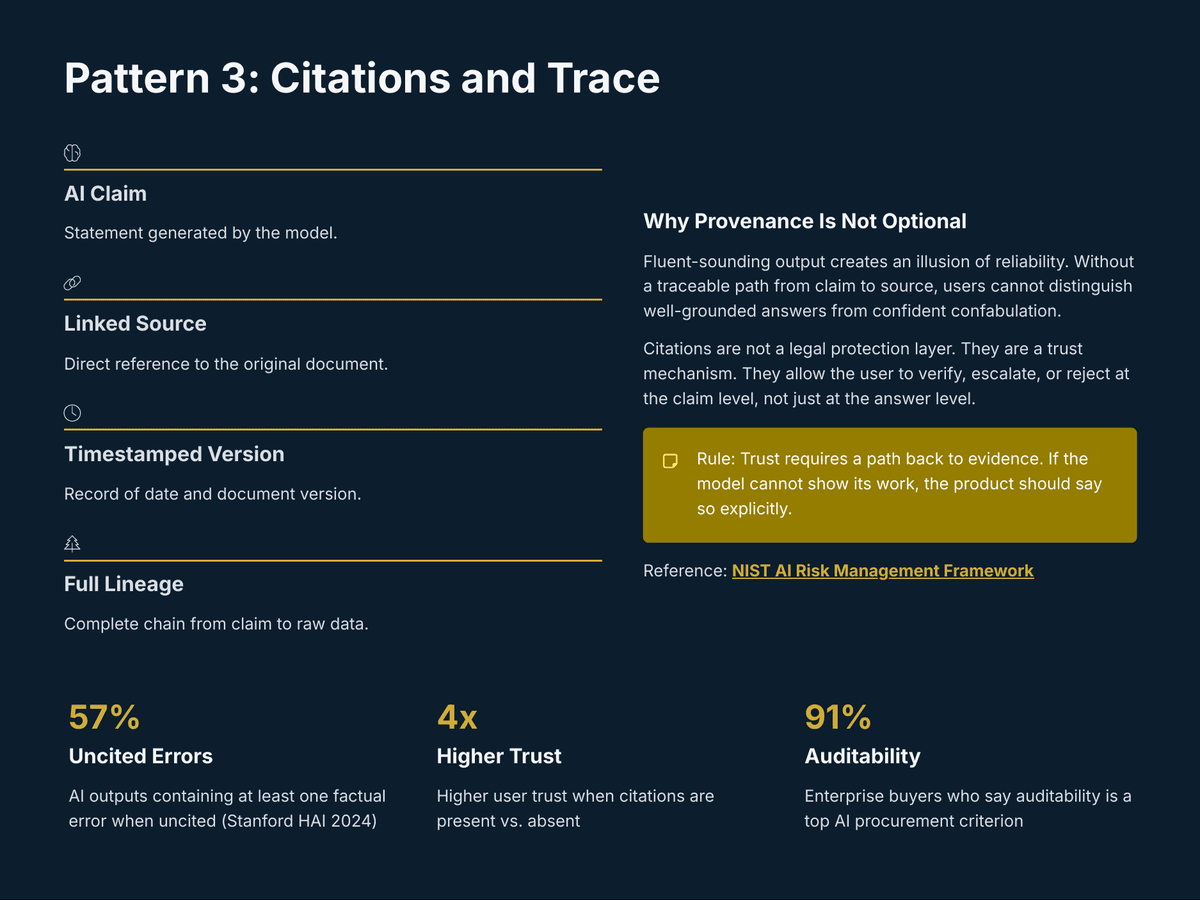
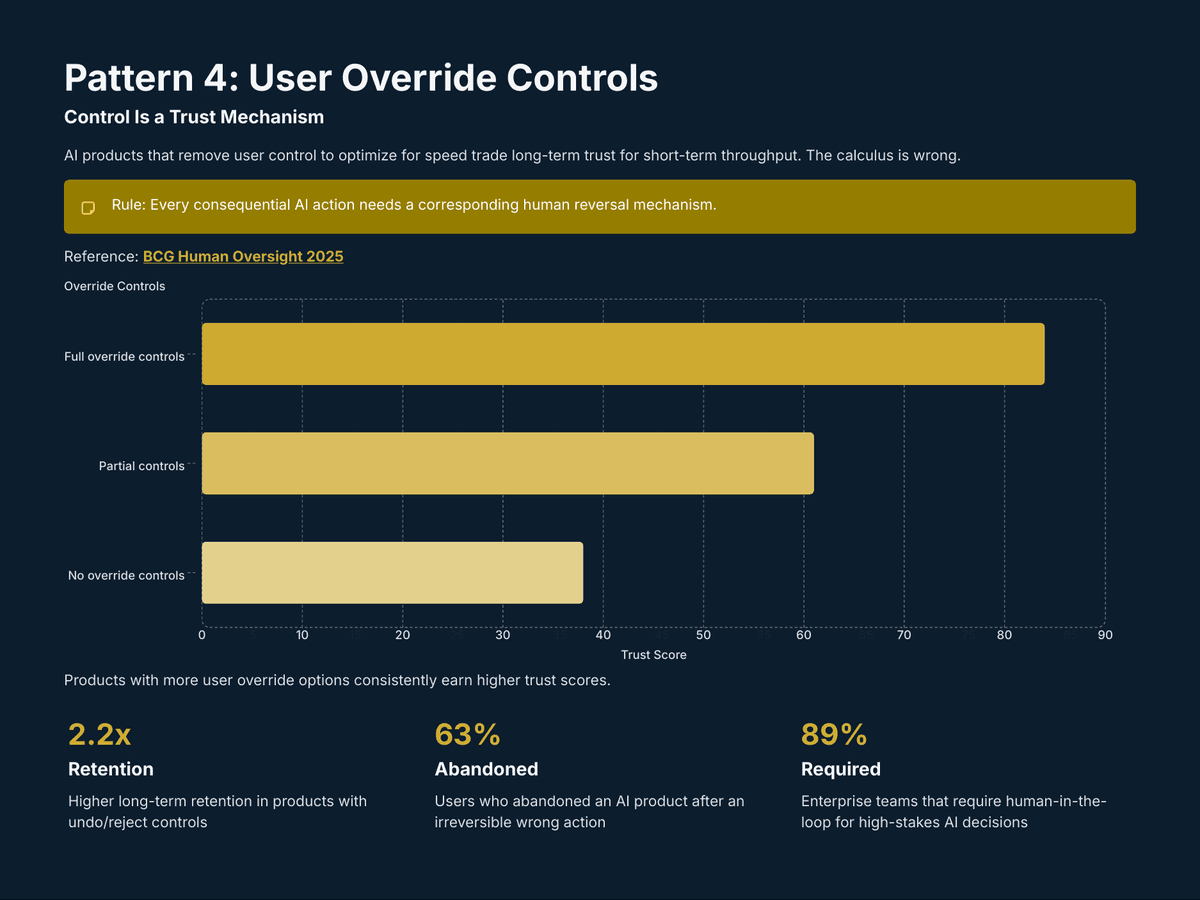
AI UX is not UI polish. This executive briefing deck shows how confidence calibration, evidence trace, compare answers, and user control create trustworthy AI products.
Case Study
The Challenge
OOH has suffered from a measurement disadvantage. Without click-through rates, OOH is systematically undervalued in budget allocation models.
The Solution
Built the five-approach OOH ROI framework and mapped programmatic DOOH capabilities that enable audience targeting and digital plan integration.
Key Results
5 measurement approaches across brand and performance objectives
ROI Framework
70% consumer recall for OOH advertising, 3x versus digital-only campaigns
Brand Recall
Real-time buying, audience targeting, and digital plan integration now standard
Programmatic
Evidence-based case for OOH inclusion across brand and performance budgets
Allocation Case
Key Takeaways
40
Pages
5
Uncertainty UX Patterns
3x
Evidence and Trace
70%
User Control
View Document
Download or Open in New Tab to access the links to download or access the tools / templates or research materials within the document.


Responsibilities
- Authored the executive briefing deck on AI product trust and uncertainty handling
- Defined the confidence calibration patterns that improve user judgment
- Mapped compare answers, citations, trace, and user override controls
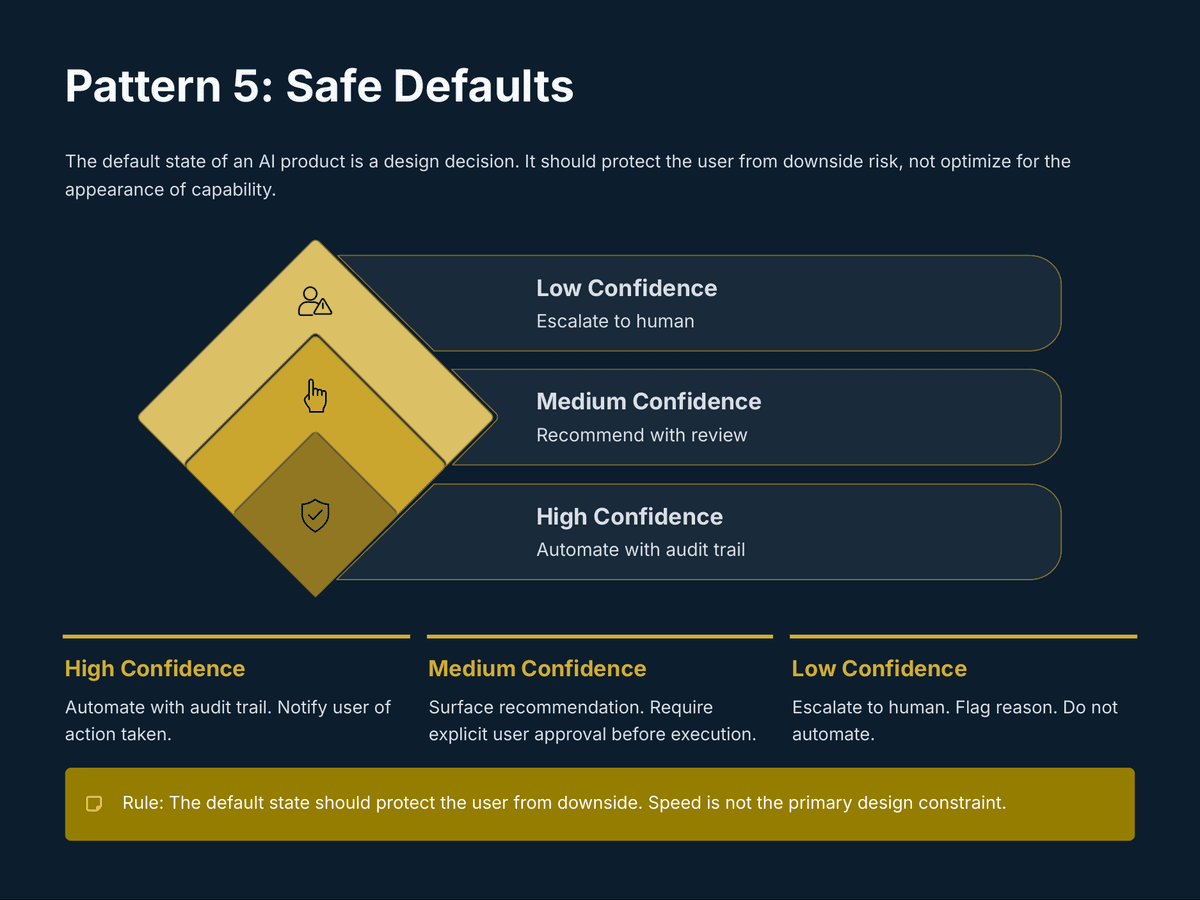
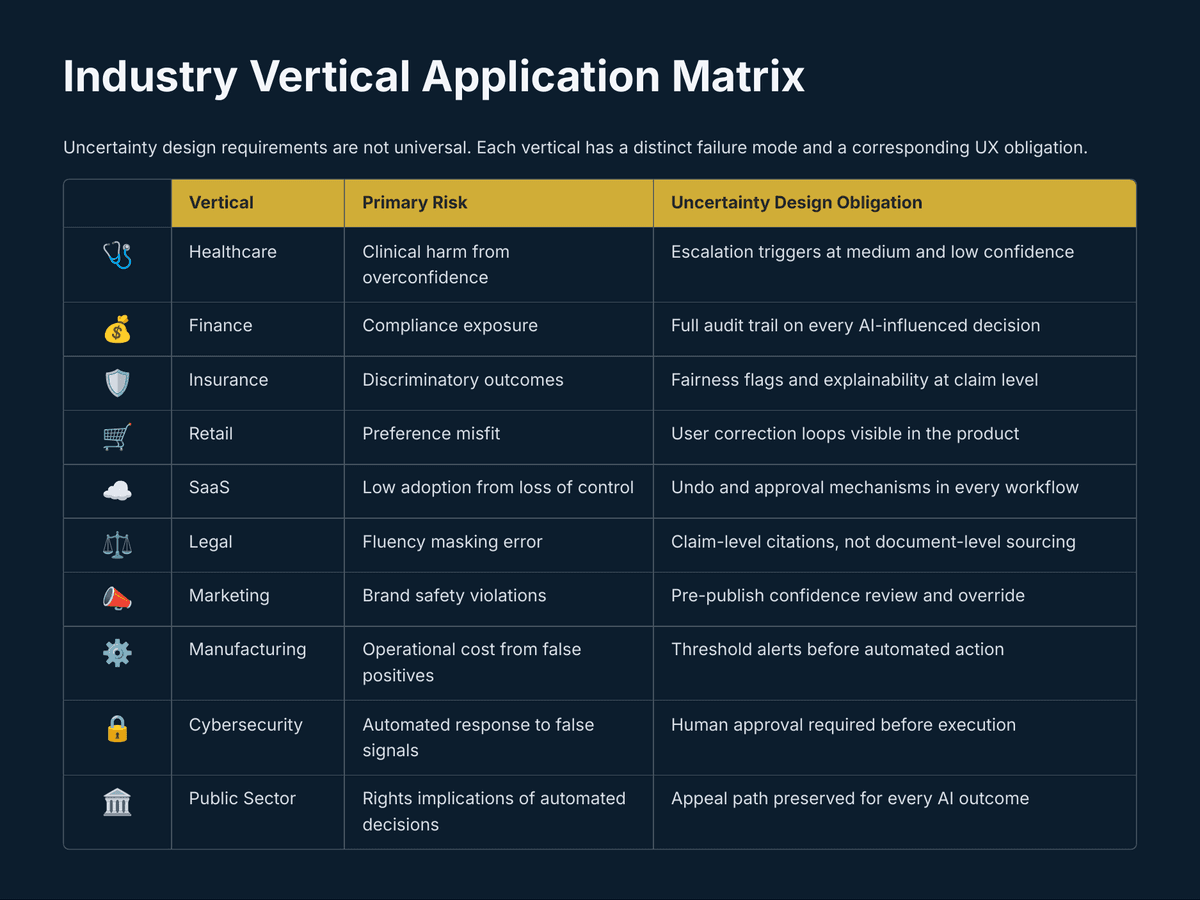
- Framed safe defaults and graceful fallback design for AI workflows
Outcomes
40
Pages
5
Uncertainty UX Patterns
3x
Evidence and Trace
70%
User Control